




If you are exploring a career in ABA, one of the first questions you may ask is: what does an RBT really do? It is a smart question, especially if you are thinking about working with children, changing careers, or finding an ABA company where you can grow.
An RBT, or Registered Behavior Technician, plays a direct role in helping children build important skills. This is a hands-on job. It involves working mainly one-on-one with clients, following treatment plans, collecting data, and supporting progress in everyday routines. For many people, it is also the first step into a long-term career in behavior analysis.
What Is an RBT?
RBT stands for Registered Behavior Technician. It is a credential used in the field of Applied Behavior Analysis, or ABA. RBTs are trained professionals who provide direct therapy services under BCBA supervision, often to children with autism or other developmental needs.
In simple terms, an RBT is the team member who works directly with the child during therapy sessions. The RBT helps the child practice goals that are part of a treatment plan. These goals may focus on communication, play, social interaction, behavior, or daily living skills.
RBTs do not work alone. They work under the close supervision of a Board Certified Behavior Analyst, or BCBA. The BCBA creates the treatment plan, trains the RBT, reviews progress, and adjusts goals when needed. The RBT carries out the plan in real sessions and shares what they observe. So, when people ask what an ABA therapist or behavior technician does, they are often talking about this type of role: direct, structured, child-centered support under supervision.


What Does an RBT Do Day to Day?
The best way to understand this role is to look at what the work involves during a typical day. While no two sessions are exactly the same, most RBTs follow a similar pattern. They work mainly one-on-one with a child, teach skills during planned activities, support learning in natural moments, help with routines and transitions, respond to challenging behavior, track data, and stay in contact with their supervisor. Together, these responsibilities shape the daily work of the role.
1. Working One-on-One With a Child
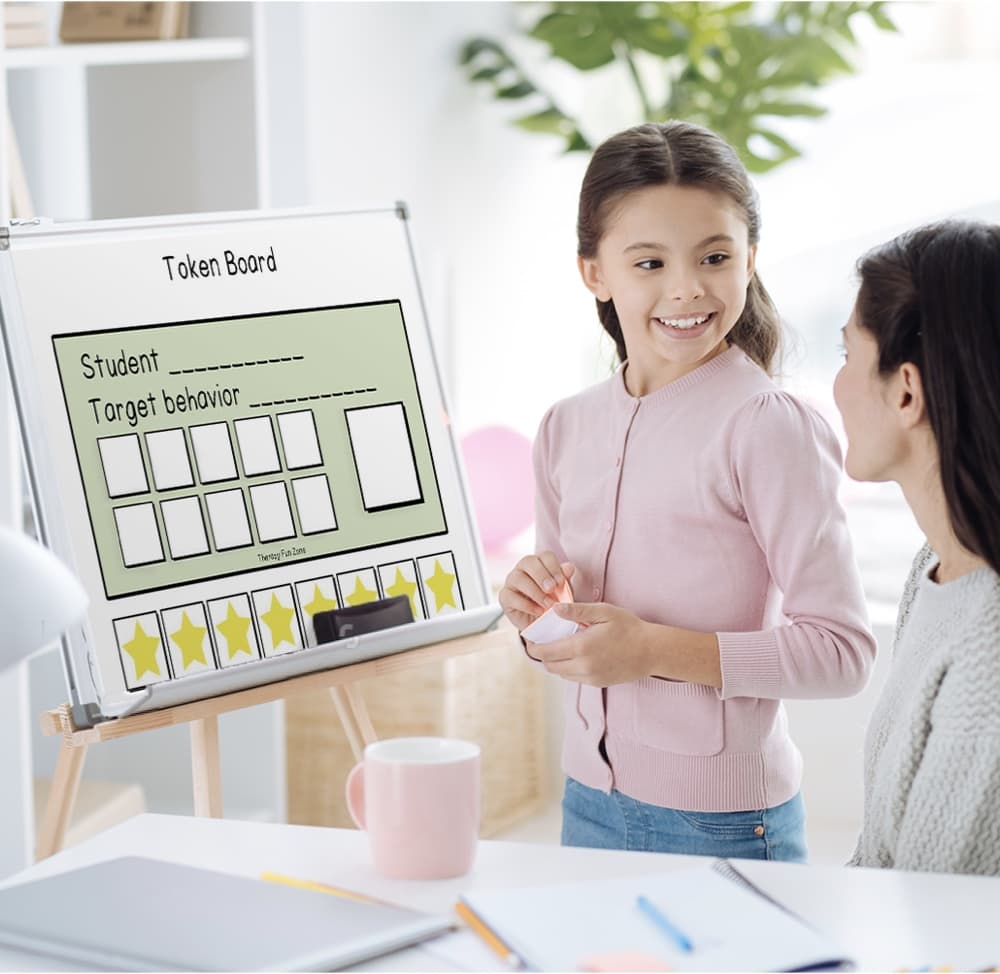
A large part of the RBT role is direct, one-on-one support. During sessions, the RBT works closely with the child on specific goals from the treatment plan. This often means staying engaged the whole time, giving support when needed, and adjusting teaching strategies based on how the child responds. The work is hands-on and active. RBTs are not simply watching from the side. They are guiding activities, prompting responses, reinforcing progress, and helping the child stay involved.
For aspiring RBTs, this is important to understand early. The role depends on consistent interaction. You need to be present, observant, and ready to support learning throughout the session.
2. Teaching Skills During Planned Activities
RBTs spend much of the day teaching skills through structured activities. These activities are based on the child’s treatment goals and may focus on communication, play, social interaction, daily living, or early learning skills. For example, a session may include matching tasks, turn-taking games, requesting practice, imitation activities, or simple routines that help build independence. Even when an activity looks simple, there is usually a clear purpose behind it. The RBT is not just keeping the child busy. They are using planned teaching opportunities to help the child practice and build specific skills step by step.
3. Helping the Child Practice Goals in Natural Moments
Not all learning happens during formal teaching tasks. RBTs also help children practice goals during everyday moments that come up naturally in the session. Snack time may become a chance to request items. Cleanup may become a chance to follow directions. A break between activities may become a chance to practice waiting, transitioning, or using functional communication.
This matters because children learn best when they can use skills in real life, not only in a structured teaching setting. A strong RBT knows how to spot those natural learning moments and use them in a way that still matches the treatment plan.

4. Supporting Routines and Transitions
Another key part of the job is helping the child move through routines and transitions more successfully. Many children need support when shifting from one activity to another, following daily routines, or adjusting to changes. An RBT may help by using visuals, reminders, reinforcement, choices, or other strategies that reduce stress and make the next step clearer. This work may seem small from the outside, but it can make a big difference in the child’s day. Smooth routines often help support learning, reduce frustration, and build independence over time.
5. Responding to Challenging Behavior in a Calm, Consistent Way
RBTs are also trained to respond to challenging behavior using the strategies in the behavior plan. This does not mean reacting harshly or trying to control the child. It means staying calm, following the plan, and using consistent responses that support safety and learning. Depending on the child’s goals, this may involve prompting replacement skills, reinforcing appropriate behavior, reducing attention to certain behaviors, or helping the child return to a calmer state.
This part of the role takes patience and self-control. Some sessions are smooth, while others are more demanding. A strong RBT stays steady during both. That consistency helps build trust and supports better long-term progress.
6. Tracking Data During the Session
Data collection is an important part of the day-to-day job. As the session moves along, an RBT records information about skill targets, behavior, prompting levels, or how the child responded to different strategies. This helps show whether the child is making progress and whether the current plan is working.
For example, the RBT may track how often a child requested help, how many prompts were needed, or how long a challenging behavior lasted. This information helps the BCBA review treatment and make informed decisions. Because of this, the role requires more than energy and patience. It also requires attention to detail and accurate observation.
7. Communicating With a Supervisor About Progress or Concerns
RBTs do not work alone. They work under the supervision of a BCBA or another qualified supervisor. Part of the daily role includes sharing updates about how the session went, asking questions when needed, and reporting concerns that may affect treatment. This communication helps keep care consistent and allows the supervisor to make changes when necessary.
Good communication also supports professional growth. For new or aspiring RBTs, supervision is one of the most valuable parts of the role because it provides guidance, feedback, and support as you build confidence in the field.
Why This Day-to-Day Work Matters
An RBT helps bring the treatment plan to life. Through one-on-one support, skill teaching, behavior guidance, data collection, and teamwork, RBTs play a direct role in helping children build important skills in everyday life. That is what makes the job both meaningful and demanding.
Where Do RBTs Work?
RBTs can work in different settings, and each one brings a different experience.
- In-Home Therapy: In-home ABA lets RBTs work with children in their natural environment. This can make it easier to support routines like mealtime, dressing, play, or bedtime preparation. It also gives the RBT a close view of real family life and everyday needs.
- Clinic-Based Therapy: Clinic settings are often more structured. They may offer more access to supervision, team support, materials, and peer interaction. Many RBTs like clinic work because it can feel collaborative and organized.
- School-Based or Community-Based Support: Some RBTs work in schools or community settings. In these roles, they may help children follow classroom routines, take part in group activities, or use skills across different environments.
Each setting has value. For job seekers, it is important to think about which setting matches your strengths, comfort level, and long-term goals.
What Does an RBT Not Do?
To understand the role clearly, it also helps to know what RBTs do not do. RBTs do not diagnose autism or any other condition. They do not create treatment plans or make independent clinical decisions without guidance. Ongoing supervision is also a required part of the job.
The BCBA leads the clinical side of treatment. An RBT implements the plan, shares observations, and helps the child practice goals in real sessions. This does not make the role less important. In fact, it shows why the role is so valuable. RBTs are the people delivering therapy day after day. Their consistency, skill, and professionalism can shape the child’s progress in a very real way.
How Do You Become an RBT?
The exact process can vary by employer and current certification requirements, but in general, the path includes a few key steps:
First, you need to meet the basic eligibility requirements. This usually includes being at least 18 years old, having a high school diploma or equivalent, and completing any background checks required for the role. Once those basics are in place, you can move forward with the training process. Then you complete required training in ABA principles, ethics, and core RBT skills. After that, you complete a competency assessment and pass the exam if required under current standards.
Once certified, you continue working under supervision and meet renewal requirements over time. As you prepare to apply for RBT positions, reviewing common RBT interview questions can help you prepare for the next step in the hiring process. For a more detailed look at each step, you can read our guide on how to start an RBT career.
Final Thoughts
At its core, the RBT role involves providing direct support during ABA therapy, helping children build meaningful skills, following treatment plans, tracking progress, and working closely with a supervising BCBA. It is a hands-on role with real impact. It also requires more than good intentions. Strong RBTs bring patience, professionalism, attention to detail, and a steady commitment to helping children grow.
Choosing the right ABA company can make a big difference in your experience as an RBT. If you are looking for a warm, team-oriented workplace where you can keep learning and growing, explore our current RBT openings at Mindful Sprouts.
For more helpful resources and updates, follow Mindful Sprouts on LinkedIn, Instagram, Facebook, and X (Twitter).
Frequently Asked Questions
1. What does an RBT do on a daily basis?
An RBT provides direct therapy, teaches skills, supports behavior goals, collects data, and follows treatment plans under BCBA supervision. Most of the work happens during one-on-one sessions with clients.
2. Is an RBT the same as an ABA therapist?
Sometimes people use those terms in similar ways, but RBT is a specific credential. A Registered Behavior Technician has defined training requirements and works under supervision in ABA services.
3. What is the difference between an RBT and a BCBA?
An RBT delivers direct therapy. A BCBA designs treatment plans, reviews progress, and provides supervision. Both roles are important, but they have different responsibilities.
4. Is being an RBT hard?
It can be. The work is rewarding, but it also takes patience, consistency, and emotional control. Some sessions are easier than others.



Leave A Comment