



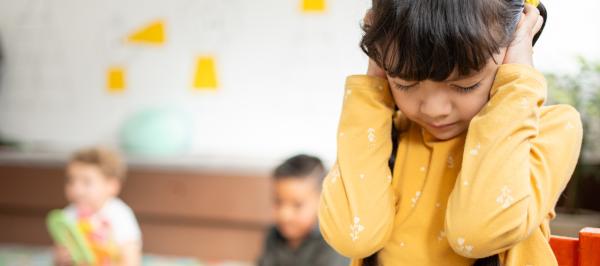
Many parents ask the same question: “Is this a tantrum, or something else?” Sensory overload happens when sounds, lights, or touch pile up and overwhelm the brain. Anyone can experience this. But in children with autism, it may show up as a meltdown, a shutdown, or a sudden need to escape, often without an obvious warning. In this guide, we’ll explain what is sensory overload in children with autism, why it can happen more often in children with related exceptionalities, and what early signs to watch for. You’ll also learn practical support that can help your child feel safer at home, at school, and in the community.
What Is Sensory Overload in Children With Autism?
Sensory overload happens when the brain receives more sensory input than it can handle at once. Sounds, lights, touch, smells, movement, and even body cues (like hunger or pain) can quickly feel “too much.” When that happens, the nervous system shifts into a stress response, and your child may melt down, shut down, or try to escape.
Why it’s not misbehavior
Your child isn’t choosing to be defiant. They’re struggling to cope. That’s why consequences and long lectures usually don’t help in the moment. A more useful view is this: your child is having a hard time, not giving you a hard time. When you start there, it becomes easier to respond with calm, safety, and the support your child actually needs.
How Sensory Processing Works
Sensory processing is how the brain notices, sorts, and responds to sensory information. Many children with autism process this input differently, so everyday sounds, lights, or touch can feel stronger and harder to tune out.
When too much input hits at once, the brain can switch into a stress response (fight, flight, or freeze). In that state, your child may struggle to listen, use words, or follow directions.


Common Triggers of Sensory Overload
Sensory overload can come from one strong sensation. More often, it comes from several inputs stacking up at the same time. The same child may react differently depending on the setting, the demand, and how tired or hungry they feel.
External senses
- Sound (auditory): loud or unpredictable noise, many voices at once, alarms, hand dryers, echoes.
- Light (visual): bright lights, flickering bulbs, glare, busy patterns, crowded spaces.
- Touch (tactile): tags, seams, tight clothing, hair brushing, nail trimming, unexpected touch.
- Smell (olfactory): perfume, cleaning products, food smells, “strong” environments like malls.
- Taste (gustatory): intense flavors, mixed textures, foods that feel “wrong” in the mouth.
Body-based senses
- Vestibular (movement/balance): swinging, spinning, escalators, elevators, car rides.
- Proprioception (body awareness): needing pressure or “heavy work,” crashing, pushing, jumping.
- Interoception (internal cues): hunger, thirst, temperature, pain, needing the bathroom.
Signs Your Child May Be in Sensory Overload
Sensory overload doesn’t always start big. Many children show early symptoms before they reach a breaking point.
Early signs
You may notice your child:
- covers ears or eyes
- squints, scans the room, or looks “on edge”
- gets irritable or more emotional than usual
- stims more (humming, rocking, jumping, hand movements)
- repeats the same words or questions
- refuses small requests that are usually easy
- clings, hides, or tries to leave
Meltdown vs. shutdown
A meltdown is an outward stress response. Your child may cry, yell, drop to the floor, throw items, hit, or try to run.
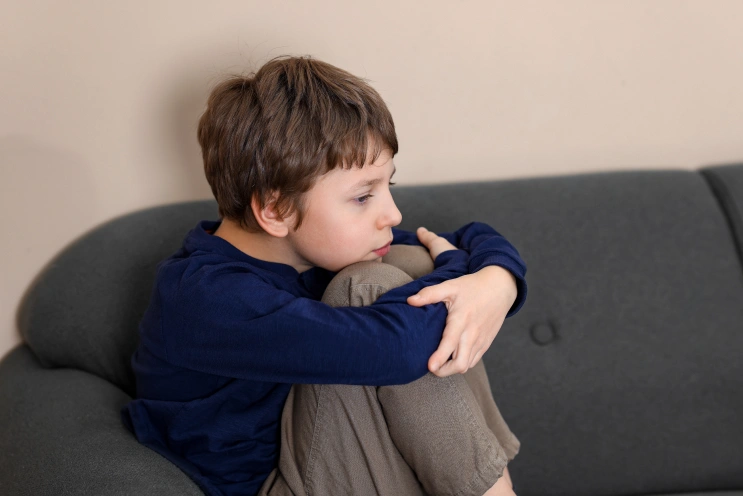
A shutdown is an inward stress response. Your child may go quiet, freeze, hide, stop talking, or seem “checked out.” Both are signs that the nervous system is overwhelmed.
The recovery phase
After sensory overload, many children need time to reset. You might see exhaustion, headaches or stomach aches, or a strong need for quiet and low demands. Recovery is part of how the body returns to calm.
Common Real-Life Triggers Parents Notice
At school
School can be full of sensory “background noise”. Common triggers include:
- cafeterias and noisy lunch rooms
- crowded hallways and busy transitions
- assemblies, pep rallies, and music class
- fire drills and unexpected alarms
- group work and constantly shifting expectations
Some children hold it together at school and release everything at home. That doesn’t mean school was easy. It may mean your child worked hard to cope all day.
At home and in the community
- vacuum, blender, hair dryer
- siblings playing loudly or too close
- busy stores with bright aisles and music
- birthday parties and family gatherings
- haircuts, doctors, and dentists
Clothing and body needs
- itchy fabrics, seams, tight socks, wet clothes
- heat, sweating, or cold air blowing
- hunger, thirst, needing the bathroom, or pain
Sensory Overload in Autism and Related Exceptionalities
Autism and sensory processing differences
Many children with autism experience sensory input as more intense, less predictable, or harder to tune out. A sound that seems “normal” to others can feel painful. A light can feel harsh. A texture can feel unbearable.
For many families, sensory needs become one of the first daily-life challenges they notice. It can affect simple routines like getting dressed, brushing teeth, going to school, or running errands.
Connection to other exceptionalities
Sensory overload can also connect with other exceptionalities that often overlap with autism.
ADHD: A child may struggle to filter distractions, especially when a task requires focus. When demands go up, tolerance for noise, movement, and visual clutter can drop.
Anxiety: When a child feels worried or on edge, their nervous system stays on high alert. That can lower sensory thresholds and make overload more likely.
Speech or language delays: If a child can’t explain “this hurts” or “this is too loud,” their behavior may communicate it instead. They may cry, push away, run, or refuse.
Learning differences: Hard tasks take more mental effort. When cognitive load is high and sensory load is high, overwhelm can build fast.
What this means for parents
First, behavior is communication. When your child reacts strongly, it usually means something in their body or environment feels unsafe or unmanageable.
Second, support works best when it’s layered. That often includes adjusting the environment, teaching coping skills, and building simple communication tools like a “break” signal, visual support, or choice-making.
Finally, plans should be individualized. What calms one child might annoy another. The goal is to learn your child’s patterns and build support that fit their needs across home, school, and community settings. If you’d like support building that plan, Mindful Sprouts offers individualized ABA services and parent training to help families put strategies into practice.
Sensory Overload vs. Tantrum
Sensory overload and tantrums can look similar from the outside. But they usually come from different reasons.
A tantrum is often goal-driven. A child wants something (or wants to avoid something) and uses behavior to try to change the situation. If the goal is met, the behavior may stop quickly.
Sensory overload is different. It happens when the nervous system feels overwhelmed. Your child may look panicked, shut down, or act in ways they can’t easily control. Even if you give them what they want, they may still need time and space to recover.
Things You Should Know About ABA
Get the must-know facts about Applied Behavior Analysis—all in one guide
Free download
What to Do in the Moment
When sensory overload hits, the goal is to help your child feel safe. Keep it simple. Less input, fewer words, and steady support.
- Lower the sensory input. Move to a quieter spot if you can. Step outside, go to the car, dim bright lights, and cut down background noise. Even small changes—like turning off music or creating space—can help your child’s body settle.
- Use short, calm words. During overload, your child may not be able to process long explanations. Keep your voice steady and use simple phrases like “You’re safe,” “I’m here,” or “Break time.” Save questions and problem-solving for later.
- Offer coping tools your child already likes. If your child uses headphones, sunglasses, a comfort item, water, or deep pressure, offer it gently. The goal is support, not forcing a strategy that doesn’t feel good to them.
- Put safety first. If your child might bolt, throw, or hurt themselves, remove hazards and give them space. Stay close enough to protect them, but not so close that it adds more stress.
- Allow recovery time. After the peak passes, keep demands low and return to routine slowly. Many children need quiet and predictability before they can re-engage.
How to Prevent Sensory Overload
Prevention works best when you plan ahead, not just react in the moment. The goal is to lower the overall sensory load and give your child predictable supports before they reach their limit.
- Spot patterns early – Start with simple notes for a week. Write down where it happened, what came right before, and what helped. Include things like sleep, hunger, changes in routine, and transitions. Patterns often show up faster than you expect.
- Build breaks into the day – Short breaks can keep your child from hitting a breaking point. A break might mean quiet time, movement, deep pressure, or a calming routine. At school, a break card or a calm space can help your child reset before they spiral.
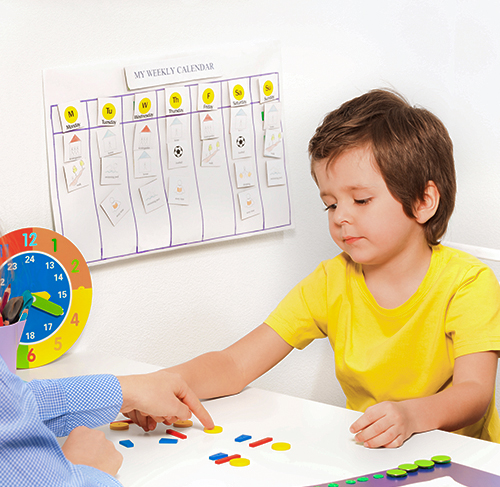
- Make transitions easier – Transitions are a common trigger because they add pressure and uncertainty. Use timers, countdowns, “first/then” language, and clear previews. Keep it short and specific: “First shoes, then iPad,” or “Five more minutes, then we leave.”
- Reduce sensory load and add control – Small changes matter. Choose comfortable clothing, reduce background noise when you can, and plan errands for quieter times. Also, give your child two simple choices: “Headphones or no headphones?” “Walk with me or sit in the cart?” Control lowers stress, and lower stress helps prevent overload.
How Mindful Sprouts Can Help
Sensory overload can affect everything from daily routines to school and community outings. Mindful Sprouts supports families with individualized ABA services and parent training, focused on practical strategies that reduce overwhelm and build real-life skills. We help you understand patterns, strengthen communication and coping tools, and create consistent routines, so your child feels safer and more supported across home, school, and community settings.
Conclusion
Sensory overload can be hard to watch, especially when it seems to come out of nowhere. Still, patterns usually exist. When you know what tends to push your child past their limit (and what helps them recover), you can step in earlier and support them with more confidence. Over time, simple support like breaks, smoother transitions, and coping tools can make daily routines feel more manageable.
Stay connected with Mindful Sprouts for more expert insights, parent tips, and inspiring stories—follow us on LinkedIn, Instagram, Facebook, and X (Twitter).
FAQs About Sensory Overload
1. What are the signs of sensory overload in children with autism?
Common sensory overload symptoms include covering ears or eyes, looking “on edge,” becoming more irritable, and increased stimming. Some children melt down (crying, yelling, dropping to the floor, trying to run) while others shut down (going quiet, freezing, or not responding). Many children also need downtime afterward to recover.
2. What triggers sensory overload in children with autism?
Triggers vary, but common ones include loud or unpredictable sounds, bright or flickering lights, strong smells, uncomfortable clothing, crowded spaces, and busy transitions. Sensory overload also becomes more likely when a child is tired, hungry, in pain, or under extra demands.
3. What’s the difference between a tantrum and sensory overload?
A tantrum is often goal-driven, like trying to get a toy or avoid a task. Sensory overload happens when the nervous system feels overwhelmed. Your child may look panicked, try to escape, become less verbal, and still need time to recover even after the situation changes.
4. How can I help my child during sensory overload?
Start by lowering sensory input—move to a quieter place, reduce noise and light, and give your child space. Use short, calm phrases, and offer coping tools your child already likes (like headphones or a comfort item). Once they recover, you can talk about what happened and plan for next time.



Leave A Comment