


Play is one of the most powerful ways children learn about the world—through it, they discover new ideas, build confidence, and develop early social and communication skills. For children with autism, play often unfolds differently, yet every stage still holds deep meaning. One of the most important of these stages is parallel play, where children begin connecting and learning from peers by simply playing side by side. Understanding this stage helps parents, caregivers, and therapists create meaningful opportunities that nurture growth, comfort, and social connection.
What Is Parallel Play?
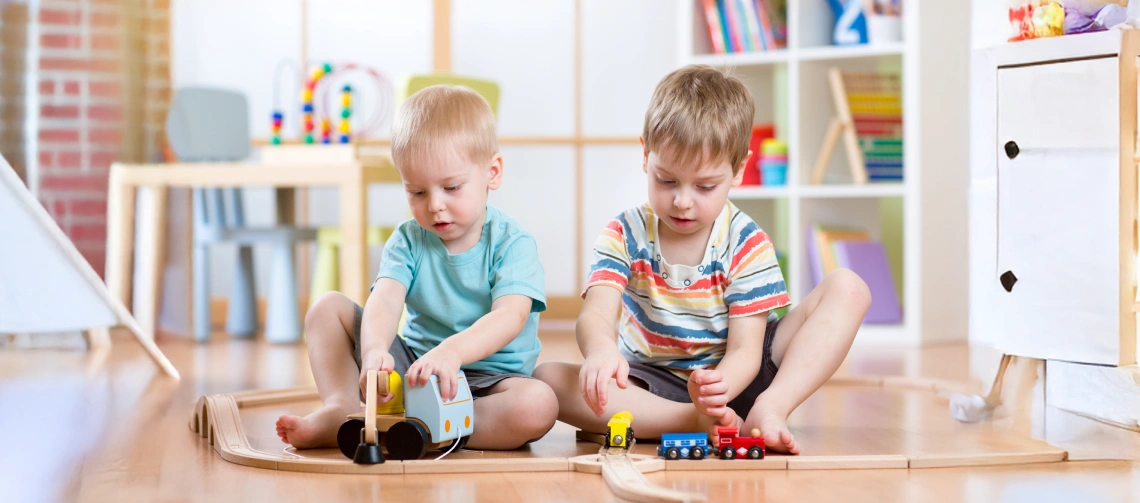
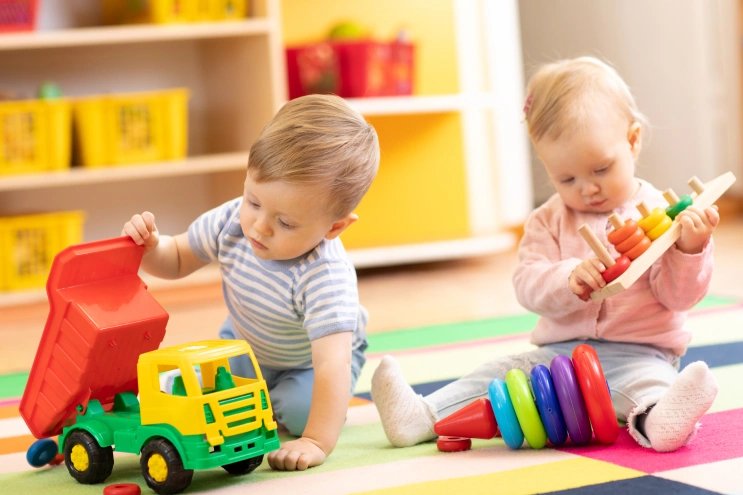
Parallel play happens when children play near each other but not directly together. Each child focuses on their own activity while being aware of the other.
For example, one child might be lining up toy cars while another builds a tower nearby. They may glance at each other, imitate an action, or smile—but they are not yet playing cooperatively.
This type of play is a natural developmental stage. It shows that a child is starting to take interest in others’ activities, even without talking or sharing toys. It’s a bridge between playing alone and playing together.
For children with autism, parallel play can last longer or look a bit different, but it serves the same purpose—building comfort, awareness, and readiness for future social play.


Stages of Play Development
Children move through several stages of play as they grow. Researcher Mildred Parten identified six stages of play development, each representing a unique step in how children learn to connect with others.
- Unoccupied Play: The child is not yet engaging with toys or other children. Instead, they observe their surroundings, move their body, or explore materials with curiosity.
- Solitary Play: The child plays alone, focusing independently on toys or activities without showing interest in others nearby.
- Onlooker Play: The child watches others play and may comment or show curiosity but does not yet join in.
- Parallel Play: The child plays beside others, often using similar materials or mimicking actions, but without direct interaction.
- Associative Play: The child begins to share toys or talk with others while playing, though the play may not have a shared goal.
- Cooperative Play: The child plays in full collaboration with others, sharing ideas and working toward a common purpose, such as building something together or playing a team game.
Children do not move through these stages in a strict order. Many shift between them depending on the activity, environment, and comfort level. For children with autism, these transitions can take more time—but each stage supports essential growth in attention, imitation, turn-taking, and emotional understanding.
How Parallel Play Appears in Children with Autism
Parallel play can look unique in children with autism. Some may focus on repetitive movements, sensory materials, or favorite objects. Others may prefer quiet, structured activities instead of group games.
A child might line up toy animals next to a peer who’s coloring, or they might build blocks beside another child without speaking. Even if they don’t interact directly, they’re often watching, listening, and learning.
It’s important to understand that this stage isn’t a sign of disinterest or delay. For many children with autism, parallel play is an essential and productive way to engage socially while still feeling safe and in control.
By noticing what your child enjoys and creating shared spaces around those activities, you can gently support their comfort and curiosity toward others.
Why Parallel Play Matters for Children with Autism
1. Builds Social Comfort
For many children on the spectrum, being around others can feel overwhelming. Parallel play offers a gentle introduction to shared spaces. It helps children adjust to group settings without the pressure to talk or share right away.
2. Encourages Observation and Imitation
Children learn a lot by watching. During parallel play, they notice how peers move, use toys, and solve problems. These quiet observations often lead to imitation—an essential early social skill.
3. Strengthens Early Communication
Communication begins before words. Simple gestures, eye contact, or smiles exchanged during play are powerful signs of connection. Parallel play naturally creates these early moments of social exchange.
4. Builds Emotional Awareness
Playing near others helps children start recognizing emotions in tone, movement, and facial expressions. Over time, this builds empathy and self-regulation.
5. Promotes Flexible Thinking
When children see peers using toys or materials in new ways, it sparks curiosity and creativity. This kind of flexible thinking supports learning, problem-solving, and social adaptability.
How to Encourage Parallel Play
1. Set Up the Environment
Choose calm, familiar spaces with minimal distractions. Use similar toys for each child, such as two sets of blocks or cars. Having duplicates helps prevent competition and keeps both children engaged.
2. Follow Your Child’s Interests
Start with activities your child already enjoys. Shared interests naturally make side-by-side play more appealing and reduce stress.
3. Model Play Without Pressure
Sit nearby and demonstrate simple actions, such as stacking or sorting. Use gentle narration (“I’m building a tower”) to show engagement, but don’t require your child to respond. This shows that social play can be relaxed and enjoyable.
4. Keep Play Short and Positive
Begin with short sessions—around 5 to 10 minutes—and extend as comfort grows. Short bursts of success build confidence and prevent frustration.
5. Use Visual and Sensory Supports
Some children engage better with clear visual cues or sensory play materials. For example, sensory bins, water tables, or matching puzzles help keep attention focused while allowing shared space.
6. Reinforce Small Social Steps
Celebrate even subtle signs of progress—looking toward a peer, sharing materials, or copying actions. Praise and encouragement help children feel proud of their efforts.
7. Gradually Add Cooperative Elements
Once parallel play feels comfortable, introduce small opportunities for shared play. For example, roll a ball back and forth or take turns adding blocks to a tower. Keep expectations light and positive.
Examples of Parallel Play Activities
Here are some simple, practical ways to encourage parallel play:
- Building Blocks: Each child builds their own tower side by side.
- Coloring or Painting: Provide separate art materials but work on similar pictures.
- Toy Trains or Cars: Each child drives their vehicles around the same track or area.
- Sensory Play: Fill bins with rice, sand, or water so children can scoop and pour together.
- Outdoor Play: Swinging, sliding, or sandbox play are great parallel activities.
- Music Time: Give each child an instrument and play songs together, letting them join in at their own pace.
Each of these encourages awareness, imitation, and engagement—without forcing direct interaction. The focus is on comfort and connection.
Things You Should Know About ABA
Get the must-know facts about Applied Behavior Analysis—all in one guide
Free download
When to Seek Professional Support
Every child develops at their own pace. But if your child seems distressed when near others, avoids play completely, or struggles to transition beyond solitary play, it may help to seek professional support.
Early intervention can help children build social readiness and confidence. Therapists trained in play-based and ABA methods can assess your child’s current play skills and design personalized strategies.
At Mindful Sprouts, our team focuses on helping children grow through evidence-based therapy that emphasizes natural, play-centered learning. By meeting each child where they are, we help them take the next step—whether that’s parallel play or cooperative social interaction.
Conclusion
Parallel play in children with autism is a pathway toward connection, confidence, and communication. It helps children learn that being near others can feel safe and rewarding.
By creating predictable, supportive environments and following your child’s interests, you can encourage social growth at their pace. With time and guidance, these side-by-side moments evolve into shared laughter, cooperation, and friendships.
If you’d like to learn more about how play-based therapy supports social development, reach out to the Mindful Sprouts team. We’re here to help your child build meaningful connections—one play moment at a time. For more expert tips and everyday inspiration, follow us on LinkedIn, Instagram, Facebook, and X (Twitter).
Frequently Asked Questions
Is parallel play normal for children with autism?
Yes. Parallel play is a normal and healthy stage of development. For children with autism, it may appear differently or last longer, but it still builds vital social and learning skills.
How can I tell when my child is ready for more interactive play?
When your child begins to show curiosity about others—by watching, imitating, or sharing space—they may be ready for simple cooperative activities like rolling a ball or building blocks together.
What are some signs of progress during parallel play?
Signs include glancing toward peers, copying actions, or smiling when another child is nearby. These may seem small, but they show growing social comfort and awareness.
Can parallel play help with communication?
Yes. Even without words, children practice early forms of communication through eye contact, gestures, and shared attention. These are key building blocks for language development.
What if my child prefers to play alone?
Solitary play is still valuable. The goal isn’t to force interaction but to provide gentle opportunities for shared experiences over time.
Can parallel play lead to cooperative play?
Yes. Parallel play often supports later social interaction. As children become comfortable playing near others, they may begin sharing, imitating, and engaging in simple cooperative activities over time.


Leave A Comment