


Starting ABA therapy can bring big changes for a child and their family. It can also take time to adjust. From your child’s point of view, they may not understand why you are bringing them to a new place, or why they are suddenly seeing new faces. Because of this, it is common for parents to feel worried when ABA therapy doesn’t work right away or when progress looks different than expected.
If you are not seeing the results you hoped for after starting an ABA program, or if your child’s behavior seems to be getting worse, you may feel tempted to think ABA does not work. But what should you do when it seems like ABA therapy doesn’t work? You may have heard the phrase, “It gets worse before it gets better.” In ABA, there is a real term for this pattern, and it can often be seen in the data.
Why ABA Therapy Doesn’t Work for Every Child in the Same Way
When ABA therapy doesn’t work as expected, it does not mean the program has failed. Children with autism learn and respond at different paces. Some may need more time to adjust to new environments, people, and routines. Progress can also look different. For one child, improvement might show up as longer attention spans or stronger communication skills. For another, it might be as simple as making more eye contact or practicing desired behaviors during daily routines. Families should focus on small steps forward rather than expecting overnight success.
Extinction Burst
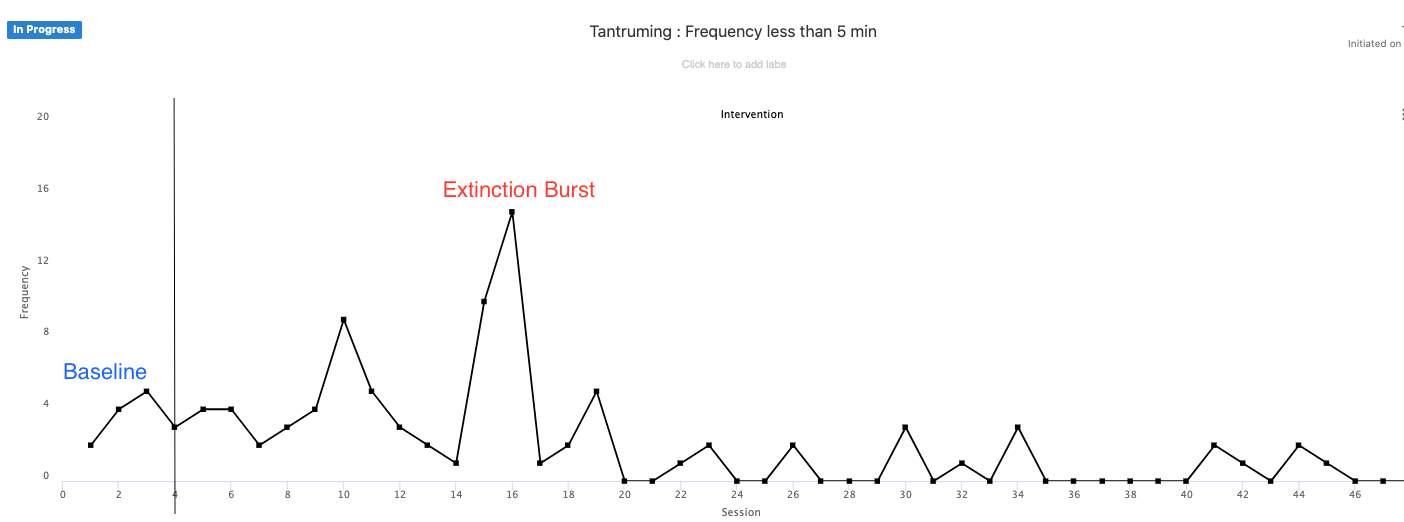
You might have heard of extinction burst for the first time. What does it mean? Why does it happen? First, it refers to the phenomenon of a previously reinforced or learned behavior temporarily increasing when the reinforcement for the behavior is removed. You might be seeing an increase in undesired behavior because of this. This often happens when a behavior has worked for your child in the past, but then it suddenly stops getting the desired response.
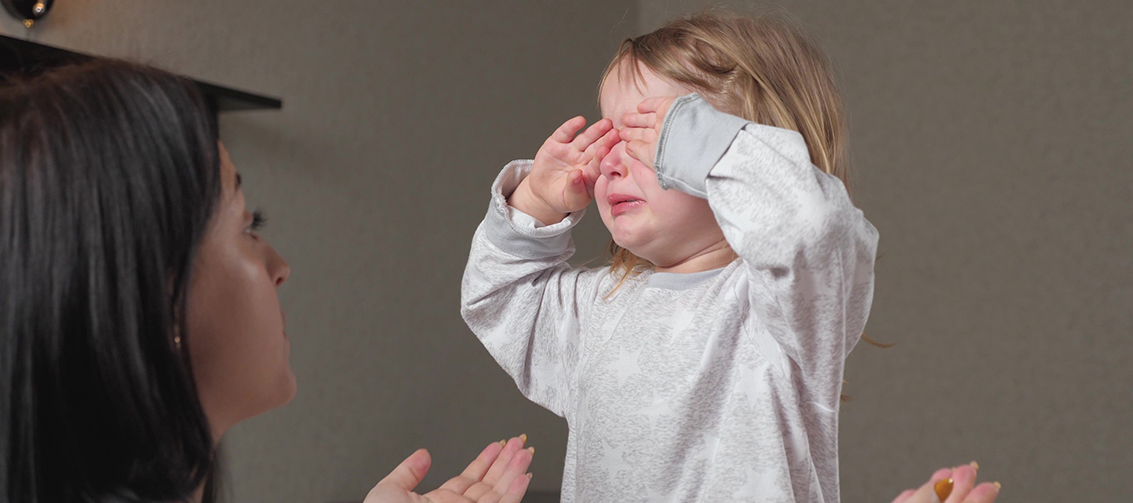
For example, during trips to the grocery store, your child usually gets an ice cream. During the next trip to the store there is no time for ice cream, so she cries because crying has gotten her the ice cream in the past. If the crying does not work, she may throw herself on the ground and begin throwing everything she can reach (extinction burst). She is trying harder because she knows that this behavior has worked before which means the undesired behavior increases as she increases her effort. But hang in there, as this will not last forever! With consistent reinforcement of the appropriate behaviors, she will learn that this behavior is no longer getting the desired results. You are likely to see a behavior peak (extinction burst) in your child’s data and drop off quickly.
The Role of Positive Reinforcement
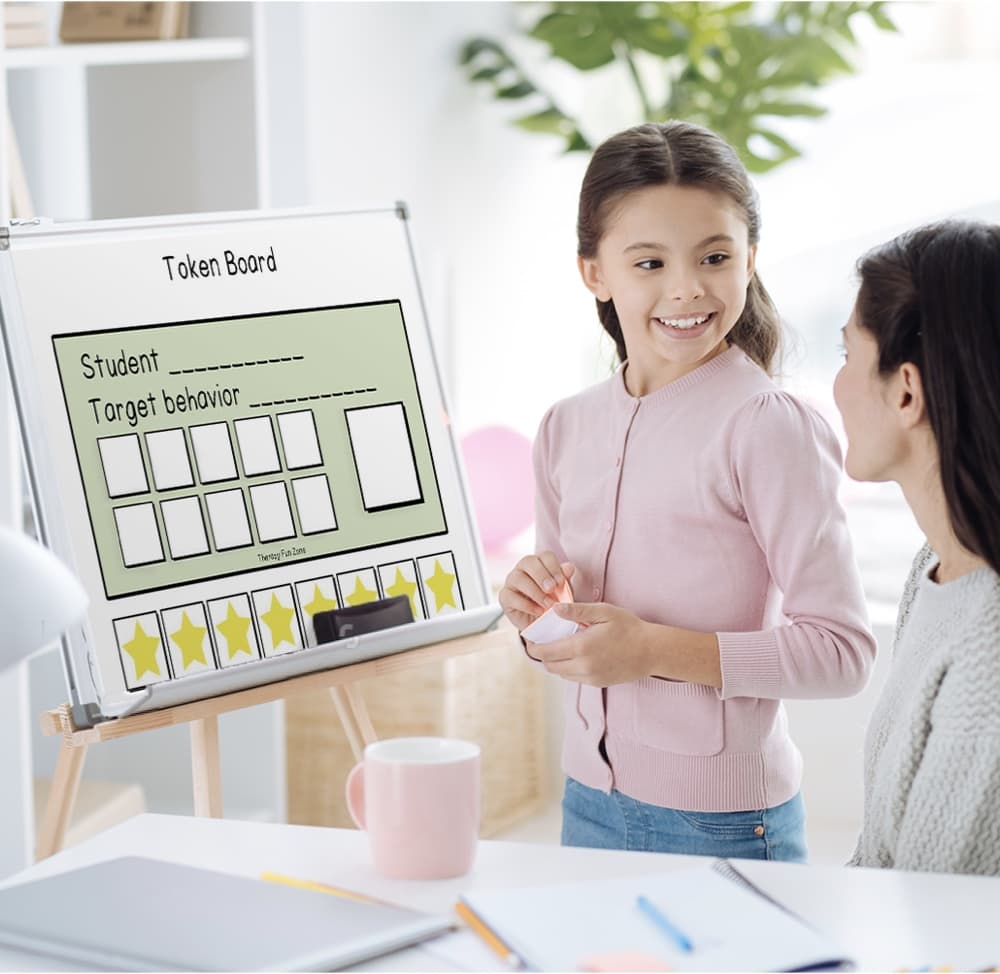
Positive reinforcement is a core strategy in applied behavior analysis (ABA) therapy. It involves rewarding desired behaviors so children learn to repeat them. Sometimes, therapy seems ineffective because the chosen rewards don’t motivate the child. For example, one child may respond to praise, while another might be more motivated by a favorite toy or snack. Matching reinforcement to what truly matters to the child is key to success.


Measuring Progress/Data
In layman’s term, data is defined as a factual information used as a basis for reasoning, discussion, or calculation. In ABA therapy, it is used as the foundation for making decisions on whether intervention should be modified in any way or continued in the same manner. It is a crucial component of ABA as we need this data to understand the function of behaviors.
Luckily, there are a bunch of data collection software and methodologies out there to assist ABA professionals in taking data continuously to achieve goals. Speaking of which, goals are based on skills that need to be modified and introduced, and behaviors that need to be modified and replaced. Data is recorded by the ABA therapist during each session to monitor improvements made, strategies that worked well, or changes that may be useful for the next session. Ongoing data collection is critical in individualizing and modifying each child’s ABA therapy plan to help them thrive.
Setting Realistic Expectations
It is natural to want fast results, especially when you’re working hard to support your child. But ABA therapy takes time. Progress often looks different from what parents expect. Instead of dramatic changes, you may see small but steady improvements.
For example, a child may not start speaking full sentences right away. But you might notice more eye contact, fewer tantrums, or increased attention during activities. These are important signs that skills are building.
Every child learns at their own pace. Setting realistic expectations helps reduce stress and allows you to celebrate each step forward. Remember, growth in ABA therapy is a journey, not a race.
The Importance of Parental Involvement in ABA Therapy
Parent involvement plays a powerful role in the success of ABA therapy. While therapists guide the sessions, children spend most of their time with family. This means the way parents respond, encourage, and support at home can greatly influence progress.
One way to help is by practicing the same skills your child is learning in therapy during everyday routines. For example, if the therapist is teaching your child to request items with words or pictures, you can practice this at mealtimes or during play. Consistency helps your child understand that the skill is useful everywhere, not just in the therapy room.
Regular communication with your child’s BCBA or RBT also matters. Ask questions, share what’s working at home, and be honest about challenges. This teamwork ensures your child’s therapy plan is realistic, consistent, and more effective.
What Happens During an ABA Therapy Session
Parents may wonder what takes place in a typical aba session structure. While each session is tailored to the child, most involve structured activities, play-based tasks, and guided practice. Sessions might focus on improving communication skills, strengthening eye contact, or reducing problem behaviors. Families are encouraged to ask questions, observe sessions, and stay involved. Active collaboration between parents and therapists is essential to ensuring strategies carry over into everyday life.
Reassessing the ABA Therapy Plan
If ABA therapy doesn’t seem to work, it may be time to reevaluate the plan. Applied behavioral analysis ABA is most effective when highly individualized. In some cases, collaboration with a speech language pathologist may be necessary to strengthen communication goals alongside behavior targets. This team approach ensures that autistic children receive comprehensive support that addresses behavior, social, and language needs.
Things You Should Know About ABA
Get the must-know facts about Applied Behavior Analysis—all in one guide
Free download
Common Misconceptions About ABA “Not Working”
Sometimes parents feel discouraged because ABA therapy doesn’t seem to be “working.” In many cases, the issue is a misunderstanding of what progress looks like.
Here are a few common misconceptions:
- ABA should stop all problem behaviors right away.
Some behaviors may continue for a while, or even temporarily get worse before improving. This does not mean the therapy has failed—it means your child is still adjusting. - ABA should eliminate every challenge.
The real goal of ABA is to build meaningful life skills, not erase individuality. For example, self-stimulatory behaviors (stimming) are not always targeted unless they interfere with learning or safety. - If behaviors return, the therapy didn’t work.
Skills take time to strengthen and may need ongoing support. A setback does not erase progress—it signals that adjustments may be needed.
The truth is that ABA therapy focuses on long-term growth, independence, and helping children thrive in daily life.
Celebrating Small Wins
When progress feels slow, it helps to focus on the small victories. These moments show that therapy is working, even if the changes seem minor at first.
A small win could be your child using a new word, trying a new food, or sitting through a short family meal without disruption. It could also mean fewer meltdowns during transitions or showing more interest in playing with siblings.
Celebrating these moments keeps motivation high for both you and your child. Share successes with your therapy team—they can build on them during sessions. Over time, these small wins add up to big changes that make a real difference in daily life.
Key Takeaway
When ABA therapy doesn’t show results right away, it doesn’t mean the approach has failed. It often means the plan needs adjusting, or your child needs more time to grow into the changes. With consistent data collection, individualized goals, and the right reinforcement strategies, children with autism can continue making meaningful progress.
The most important thing to remember is that growth often comes in small but steady steps. Every new word spoken, every calmer transition, and every moment of connection is progress worth celebrating.
At Mindful Sprouts, we’re here to walk that journey with you. Our team partners with families to create therapy plans that are flexible, evidence-based, and focused on what matters most—helping your child thrive.
Ready to explore how ABA therapy can support your child’s growth? Learn more about our ABA and Speech programs today.
Follow us on Facebook, Instagram, LinkedIn, and Twitter to stay on top of our latest updates.
FAQs
1. What should I do when ABA therapy doesn’t work?
When ABA therapy doesn’t work as expected, start by talking with your child’s BCBA. Review the therapy goals, progress data, reinforcement strategies, session structure, and parent involvement plan to see what may need to change.
2. Why does my child’s behavior get worse after starting ABA therapy?
A child’s behavior may get worse at first because they are adjusting to new routines, expectations, and responses from adults. In ABA, this can sometimes relate to an extinction burst, where a behavior temporarily increases before it begins to decrease.
3. How long does it take for ABA therapy to start working?
The time it takes for ABA therapy to show progress depends on the child’s needs, goals, therapy schedule, and consistency across settings. Some families notice small changes within weeks, while larger skill gains may take several months.
4. How do I know if my child’s ABA therapy plan needs to change?
An ABA therapy plan may need to change if progress has stalled, behaviors are increasing, goals no longer match the child’s needs, or strategies are not working across home, school, and therapy settings. The BCBA should review the data and update the plan when needed.


Leave A Comment